Saint-Nicolas-de-Bourgueil : meilleures années emblématiques
Découvrez les meilleures années de Saint-Nicolas-de-Bourgueil, les millésimes emblématiques à connaître et leurs caractéristiques...
Saint-Nicolas-de-Bourgueil: Best Vintages
Saint-Nicolas-de-Bourgueil wines, a recognized appellation in the Loire Valley, are prized for their fruity reds and fine tannins. Not all vintages are equal. Which ones stand out? And how best to enjoy them? Let's take a look.

The best years for Saint-Nicolas-de-Bourgueil
Certain Saint-Nicolas-de-Bourgueil vintages are renowned for their balance, structure, and ability to age harmoniously. Here is a selection of the most remarkable years:
Older vintages (before 2000)
- 1959: a rare vintage still praised today for its finesse.
- 1989: very good, rich and well-structured.
- 1990: sunny, with supple tannins and ripe aromas.
More recent years to remember (after 2000)
- 2005: powerful and concentrated.
- 2009: warm and generous.
- 2010: very balanced, with great freshness.
- 2015: a very good vintage, expressive and silky.
- 2018: full-bodied and fruity.
- 2020: promising, very fruity and already accessible.
- 2025: A great year with a good harvest and aging potential.
Tasting the great vintages at Domaine de La Chopinière du Roy
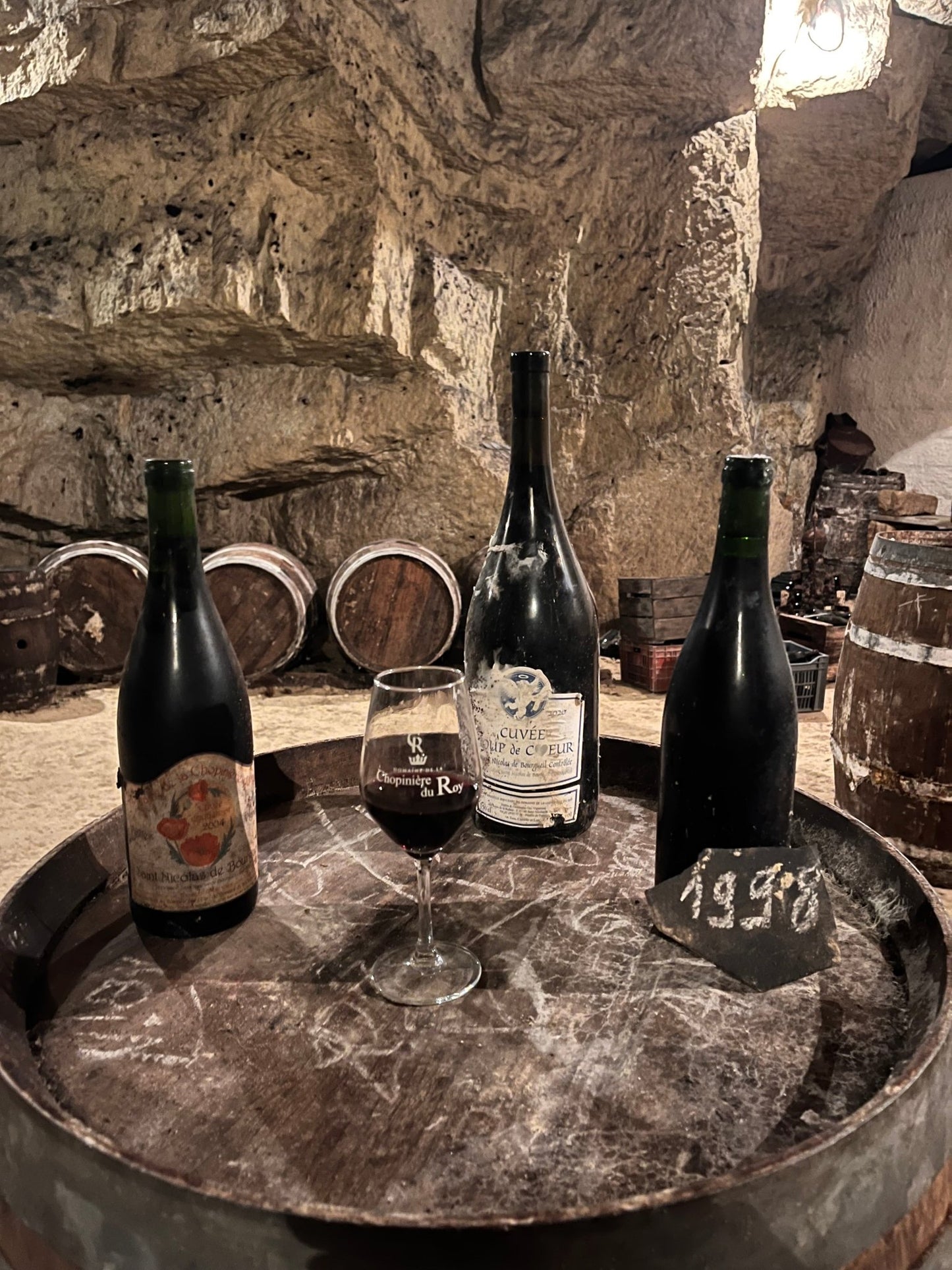
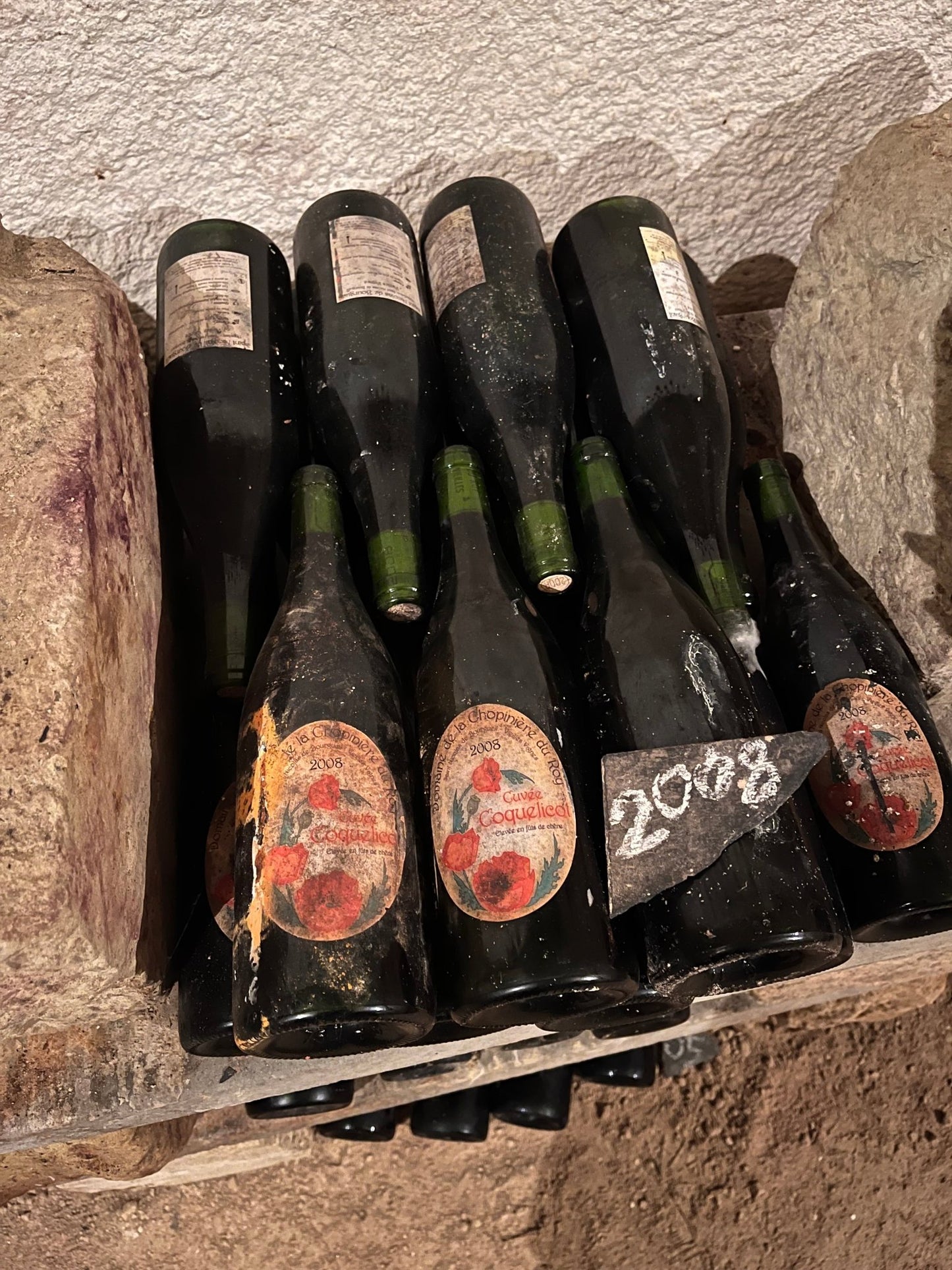
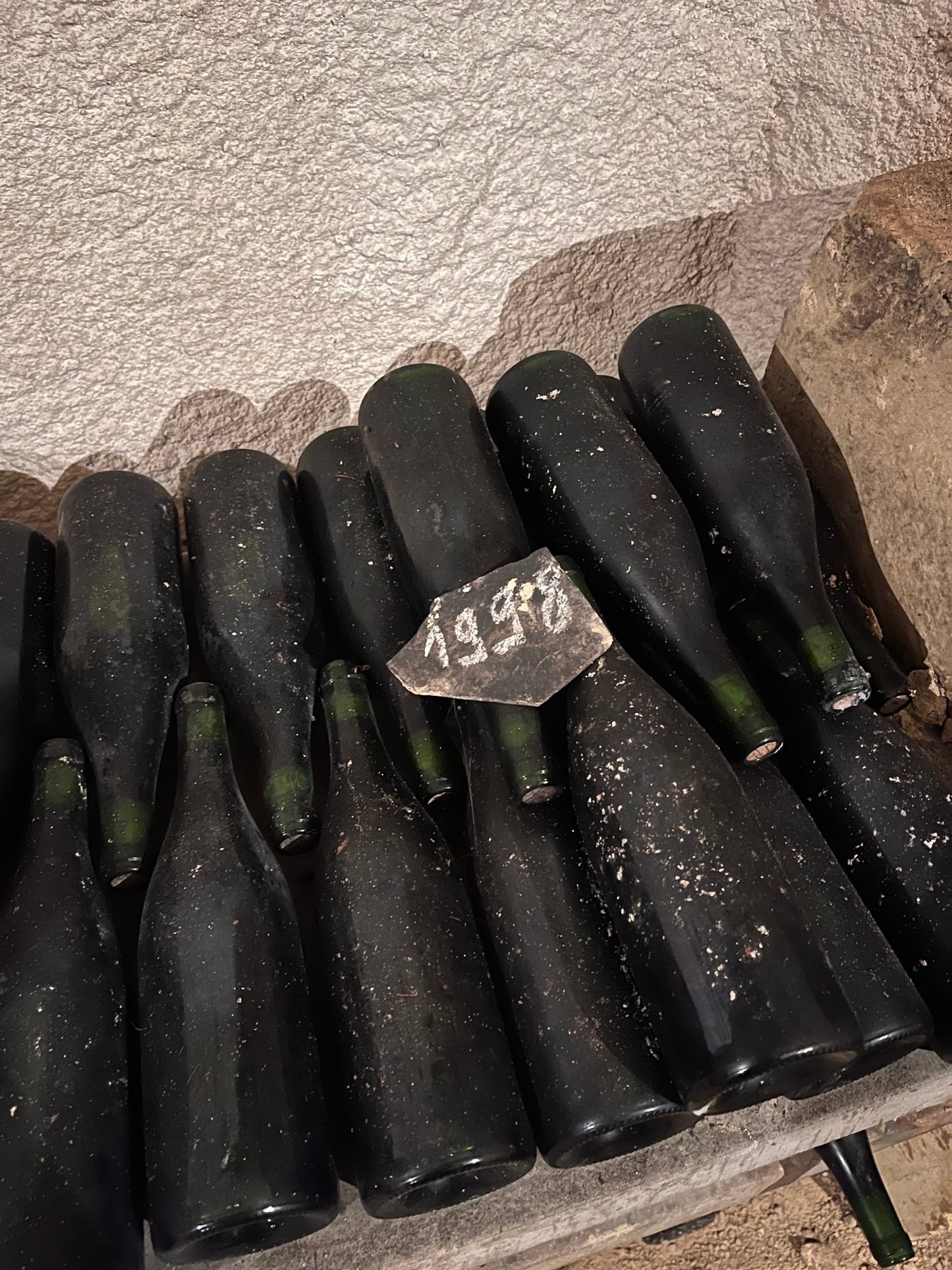
Great vintages are not just a memory: they are still alive and shared! Several award-winning Saint-Nicolas-de-Bourgueil cuvées from recognized vintages are available in their selection.

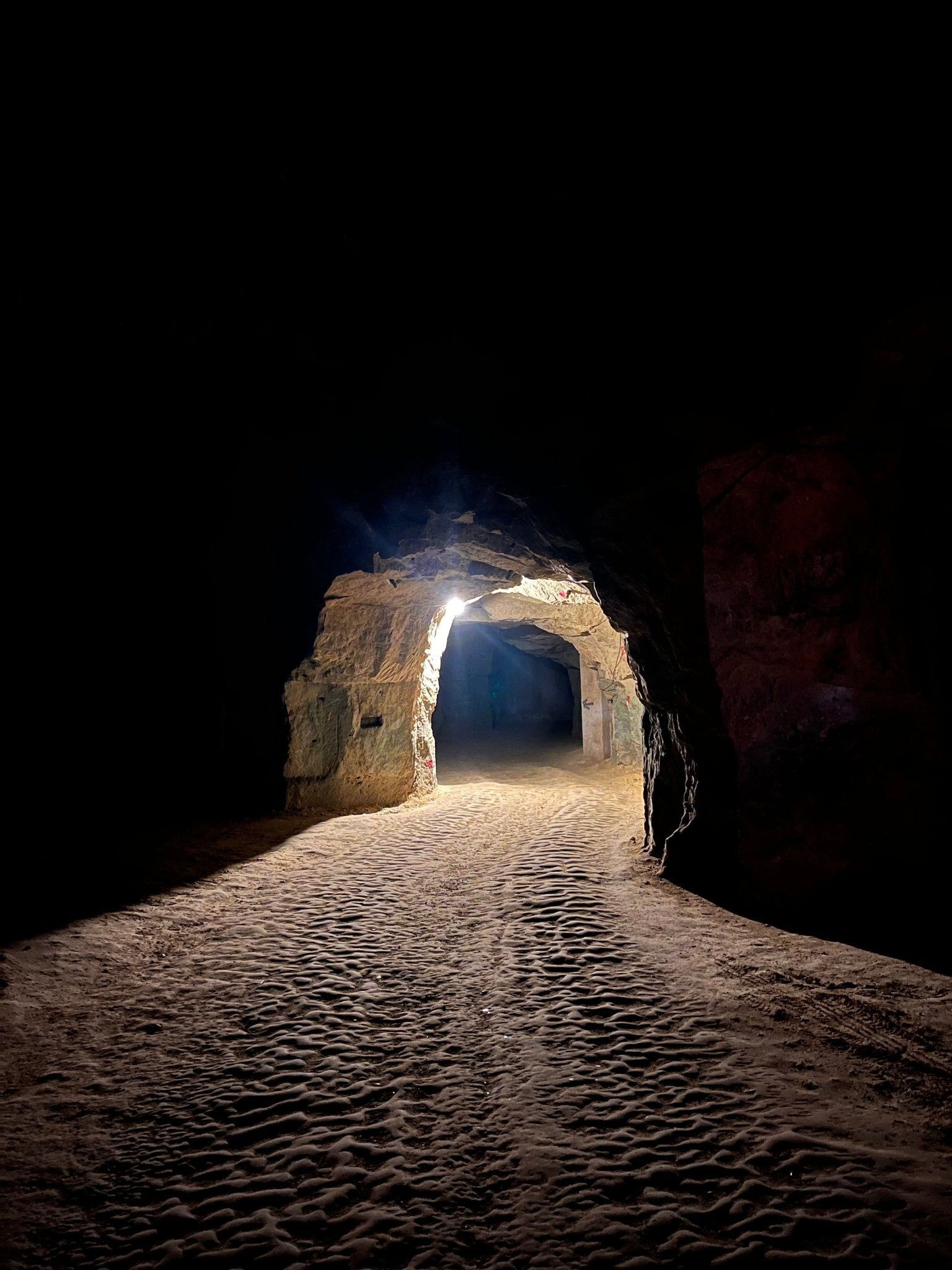
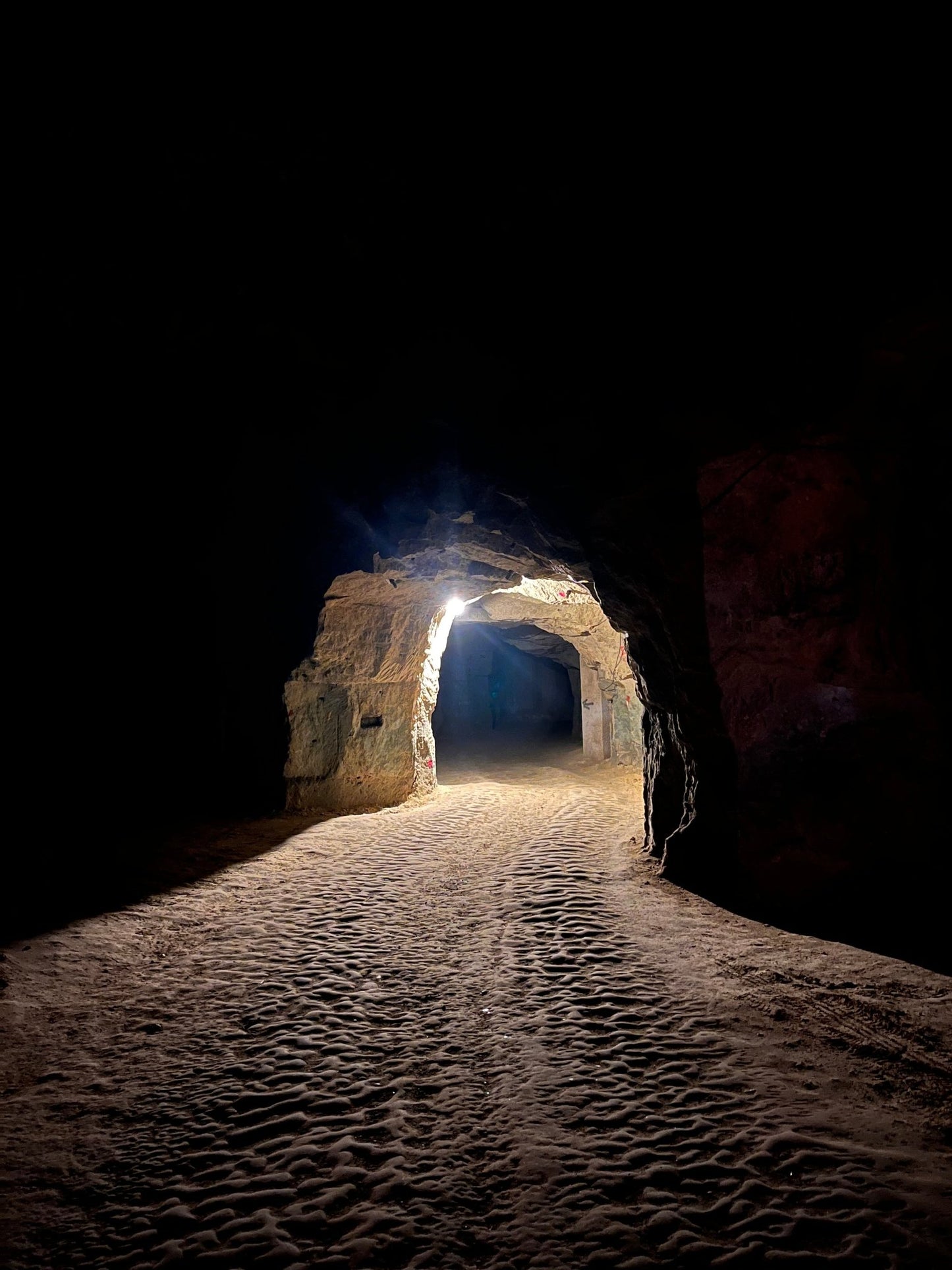
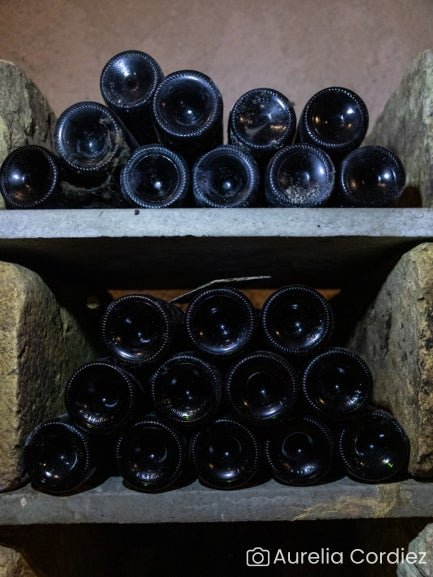
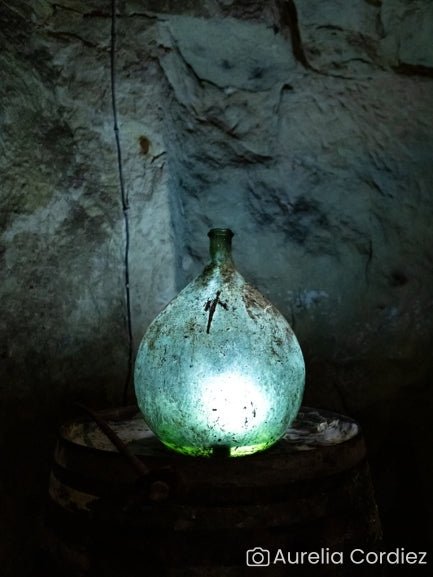
Would you like to go further? The estate offers a troglodytic cellar visit with old vintage tasting. A rare experience to appreciate the full depth of the great years of our Coquelicot cuvée, aged in oak barrels to allow for longer aging.

How to recognize a good vintage?
A good Saint-Nicolas-de-Bourgueil vintage presents:
- a deep color with garnet reflections,
- an intense nose of red fruits (blackcurrant, raspberry), often evolving towards leather or spices over time,
- a balanced palate with melted tannins.
Warm vintages offer more opulent wines, while cooler years produce more vibrant wines.
Why are some years better?
It all depends on the climate during the vine cycle. Temperature, sunshine, rain, and well-managed harvests directly influence grape ripeness. Years when all these elements align produce more concentrated, elegant vintages that keep better.
Frequently Asked Questions (FAQ)
How long can a Saint-Nicolas-de-Bourgueil be kept?
Fruity cuvées such as the 12 Arpents cuvée should be drunk within 5 years. Great vintages, from old vines or aged in barrels, can be kept for 10 years, or even more.
When to drink a Saint-Nicolas-de-Bourgueil?
Young, for its fruity freshness. After 5 to 10 years to enjoy its tertiary aromas (undergrowth, leather, spices). A tasting visit to the Chopinière du Roy cellar allows you to compare these evolutions in ideal conditions.