Vin Bourgueil

Explorez notre gamme traditionnelle de vin Bourgueil, une appellation emblématique des vins de la vallée de la Loire. Notre vin de Bourgueil incarne la richesse de cette région viticole renommée, offrant des saveurs complexes. Le Bourgueil est un vin rouge réputé pour ses arômes de fruits rouges et ses tanins structurés. Différent du vin Saint Nicolas de Bourgueil, le vin de Bourgueil se différencie par un terroir et un climat particulier.

En apprendre plus sur le vin Bourgueil.

Paiement sécurisé

Paiement sécurisé par CB

Livraison offerte

Livraison offerte dès 12 cartons

Vins médaillés

De nombreux vins médaillés

Livraison en France

Livraison partout en France

Terroir of Bourgueil wine

Discover the perfect combination of tradition and terroir in each bottle of our Bourgueil wine . Our vines, bathed in sunshine on the slopes of the Loire, thrive in a soil which gives our wine its unique character. Bourgueil wine offers a taste experience that reveals the ancestral wine heritage of the Loire Valley.

Bourgueil wine tasting

Bourgueil wine is recognized for its structured tannins and complex aromas. Our bottles reflect this reputation, with subtle aromas of red fruits and a balanced structure. Perfectly suited to a variety of dishes, Bourgueil red wine offers you an unforgettable tasting experience.

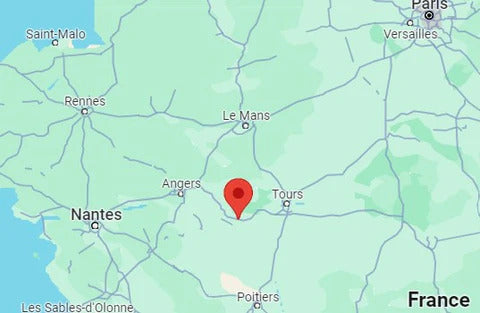
Où se trouve Bourgueil sur une carte ?

The Bourgueil Terroir

The terroir of the Vin Bourgueil AOC spans 1,400 hectares across seven emblematic communes: Bourgueil, Benais, Restigné, Saint Patrice, Ingrandes-de-Touraine, La Chapelle-sur-Loire, and Chouzé-sur-Loire.

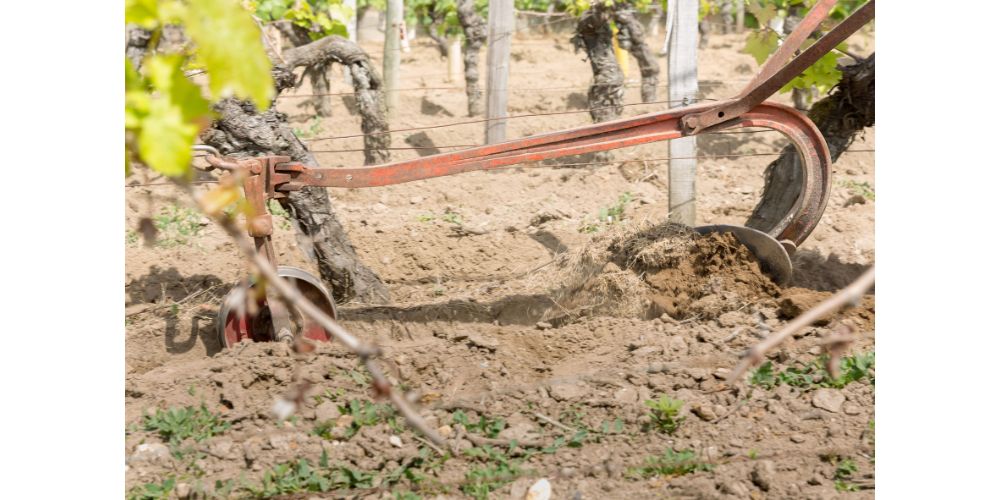
Terroir et sol de Bourgueil pour la culture de la vigne

The Bourgueil vineyard is typical of Loire wine, which relies on a diversity of soils. There are three main types in this appellation:

  • Gravel and sand soils: This type of soil gives Bourgueil wine a lightness and beautiful freshness, highlighting red fruit aromas (raspberry, cherry, blackcurrant, etc.).
  • Clay-limestone soils: For wines with a more assertive tannic structure and beautiful aromatic depth. Sometimes presenting more complex notes (undergrowth, spices, and mineral nuances characteristic of limestone). These Bourgueil wines age very well in the bottle!
  • A perfect balance thanks to mixed soils: Combining the lightness of gravel soils with the structure and complexity of clay-limestone soils, this type of Bourgueil Wine is capable of seducing wine lovers and connoisseurs!

The king grape variety of Bourgueil: Cabernet Franc

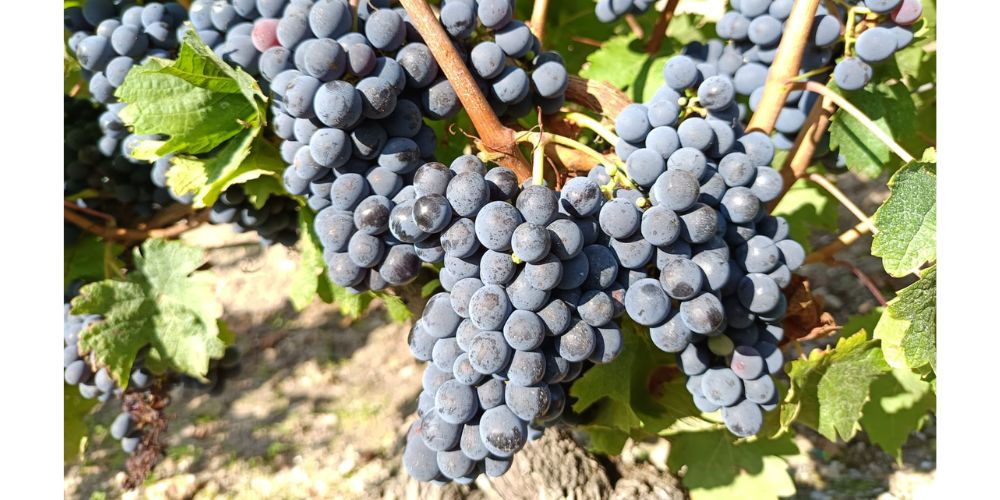
Cabernet Franc (or "Breton" for intimates) is the sole grape variety used for the red and rosé wines of the AOC Bourgueil appellation, just like AOC Saint Nicolas de Bourgueil. Over the centuries, this grape variety has developed well on the different soil types mentioned above; its presence in the region dates back to the Middle Ages!

Vin Bourgueil Cépage Cabernet franc grappes de raisin

Bourgueil's climate is ideal for these wines

The Bourgueil vineyard (close to the Loire and the oceanic winds from the Atlantic) benefits from a temperate oceanic climate, offering the vines mild winters and moderate summers. This allows for regular and slow ripening of the grapes.

To help you understand the impact of the climate on Bourgueil wine, here are the key points:

  • Stable temperatures allow the berries to develop their aromas while preserving a natural acidity, which is essential for the production of structured wines.
  • Precipitation in the Bourgueil region is rather moderate and spread throughout the year. This ensures sufficient, yet not excessive, water supply, thus avoiding water stress for the vines.
  • A warm year promotes riper grapes, producing rounded wines with intense red fruit aromas.
  • Conversely, a cooler year offers wines with more pronounced acidity, presenting subtle aromas (often spicy and vegetal).

Tasting Bourgueil wine: nose, appearance, and aromas

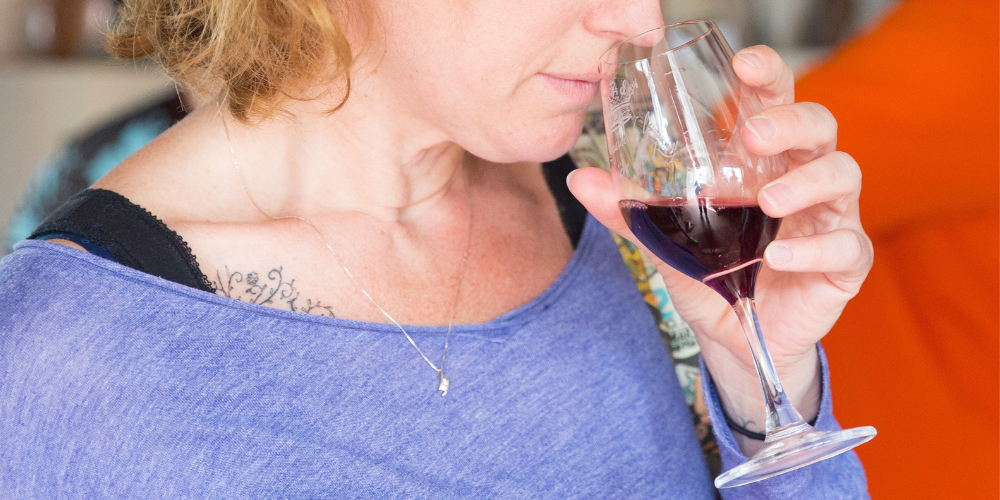
Dégustation du vin Bourgueil au domaine de la Chopinière du Roy

An alluring color

Generally a deep ruby color, this hue is characteristic of Cabernet Franc. In young wines, one observes more purplish reflections, enhancing their attractiveness in the glass. With time, the purplish nuances of young wines give way to darker, slightly brick-red garnet tones.

A charming nose

On the nose, Bourgueil wine presents a beautiful aromatic palette. For young vintages, red fruit aromas are primarily found, to which spicy notes (pepper or licorice) or vegetal nuances (bell pepper or fresh herbs) may be added. The aging method significantly impacts the aromatic signature of Bourgueil wines; aging in stainless steel tanks preserves the fruity aromas of the wine, and aging in oak barrels offers notes of undergrowth (sometimes even vanilla or toast).

A harmonious palate

On the palate, Bourgueil wine seduces with a perfect balance. What makes Bourgueil wines easy to drink are fine tannins, combined with controlled acidity, guaranteeing a pleasant structure that does not aggressive the palate. With good aromatic persistence, the aromas perceived on the nose are rediscovered on the palate.

Food and wine pairings: Bourgueil's best partners

The best dishes to pair with your Bourgueil wine

Domaine de la Chopinière du Roy presents a (non-exhaustive) list of dishes to best accompany your Bourgueil wine.

Food and wine pairings for young and fruity Bourgueil:

  • Regional charcuterie: rillettes de Tours, dry sausage, and pâté en croûte.
  • Grilled meats: lamb chops or grilled duck breast.
  • Vegetarian dishes: roasted vegetable patties or savory vegetable tarts with Mediterranean vegetables.
  • Light cheeses: fresh goat cheese (Sainte-Maure-de-Touraine) or light tomme.

Food and wine pairings for aged Bourgueil:

  • Stewed red meats: beef bourguignon and beef cheek braised in red wine.
  • Game: venison fillet or jugged hare.
  • Dishes in sauce: coq au vin and lamb tagine.
  • Aged cheeses: Saint-Nectaire, Livarot, or Cantal.

Food and wine pairings for Bourgueil rosé:

  • Light aperitifs: tapenade, hummus, or smoked salmon toasts.
  • Mixed salads: Niçoise salad and citrus tabbouleh.
  • Summer dishes: grilled vegetable skewers or light quiches.
  • Grilled fish: trout or sea bream accompanied by roasted vegetables.

If you're looking for originality:

  • Couscous with meats.
  • Asian dishes (try lacquered pork to see!).
  • The famous tarte vigneronne, an emblematic dessert of the region.

How to serve Bourgueil wine?

To fully enjoy your bottle of Bourgueil wine, we recommend serving it between 14 and 16°C. If you have time, you can also open the bottle 1 to 2 hours before tasting.

The history of Bourgueil wine: From medieval origins to current prominence

The role of abbeys

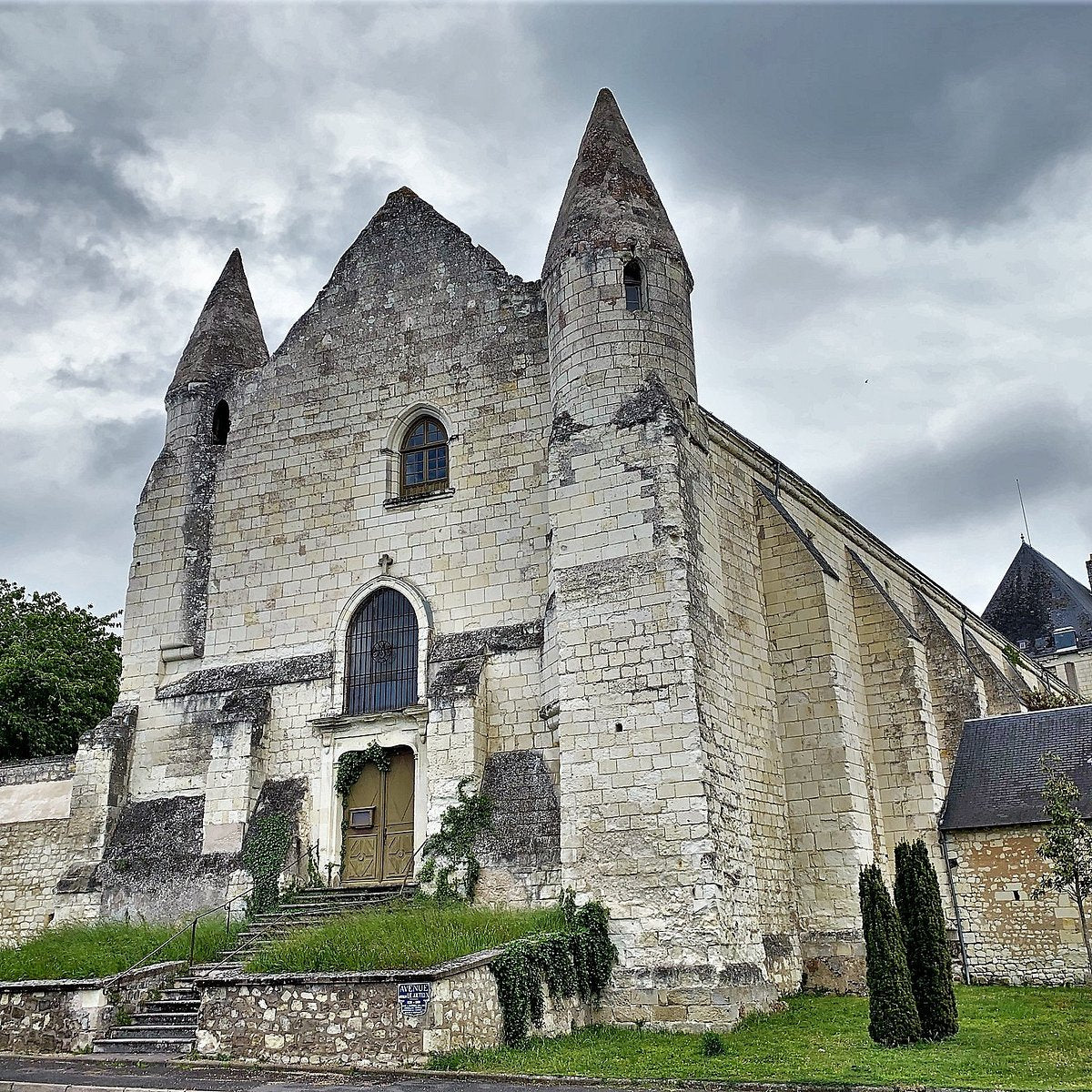
It all began in the 11th century with the founding of the Abbey of Saint-Pierre de Bourgueil. This Benedictine abbey, established in 990 by the Bishop of Tours, would accompany the development of the region's vineyards. Thanks to the monks, who were true pioneers of viticulture, the land was cleared to plant vines. The quality of the soils and the favorable climates were quickly exploited to produce quality wines in Bourgueil. The Benedictine monks then developed local cultivation and winemaking techniques, allowing Bourgueil wines to be marketed in the Loire Valley.

Abbaye de Bourgueil

The Golden Age Under the Kings of France

Then came the Renaissance, and Bourgueil wine, appreciated by the elites, grew in notoriety. Francis I, a native of the Loire Valley, promoted the region's wines at the French court. He played a crucial role in promoting Bourgueil wines, which captivated the nobility and became a symbol of refinement.

The golden age of Bourgueil wine continued under the reigns of Louis XIII and Louis XIV. The proximity of the Loire river facilitated the transport of barrels to other ports like Nantes, from where the wines were then shipped to England, the Netherlands, and other European markets.

Bourgueil wine in constant evolution

Today, the region is at the forefront of modern winemaking techniques, always seeking improvement to optimize yields, control fermentation and aging in tanks or barrels. Meanwhile, time moves on, and with it come challenges; climate change could in the future alter the course of Bourgueil wine history.

Discover our selection of Bourgueil wines at Domaine de la Chopinière du Roy

Our iconic Bourgueil red wine

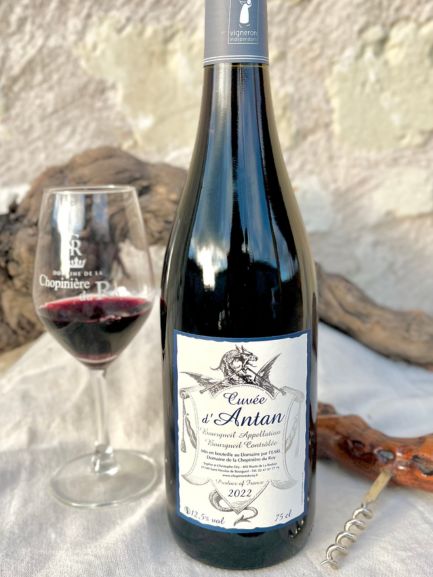
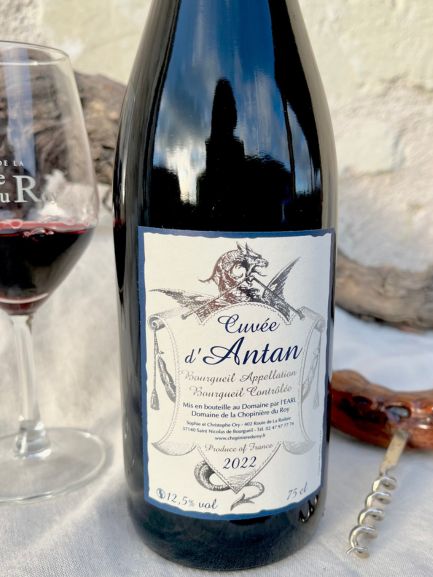
We invite you to discover the Cuvée d'Antan, from gravel-sand and tuffeau terroir, with blackcurrant aromas enhanced by slight spicy notes and structured tannins, offering great length and made from 100% Cabernet Franc. To be served with stews, blanquettes, and other slow-cooked dishes, this Bourgueil wine at 12.5% vol is rich in personality while remaining enjoyable. For a bit of history, the vines of Cuvée d'Antan are approximately 45 years old. As for our Cuvée Coquelicot de Saint Nicolas de Bourgueil wine, it is produced from nearly hundred-year-old vine plots.

Our dry and fruity Bourgueil rosé wine

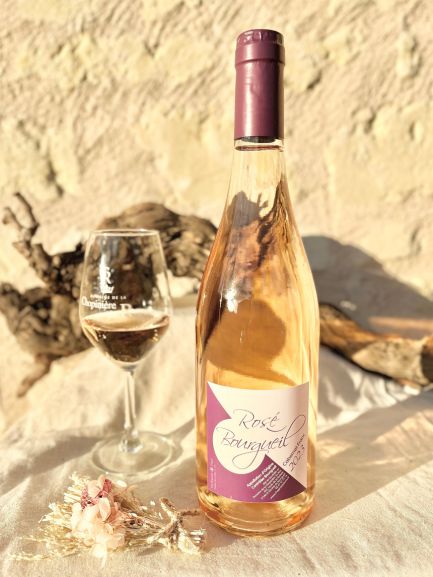
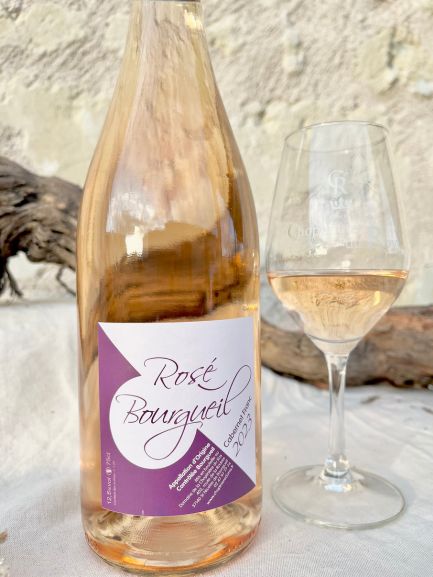
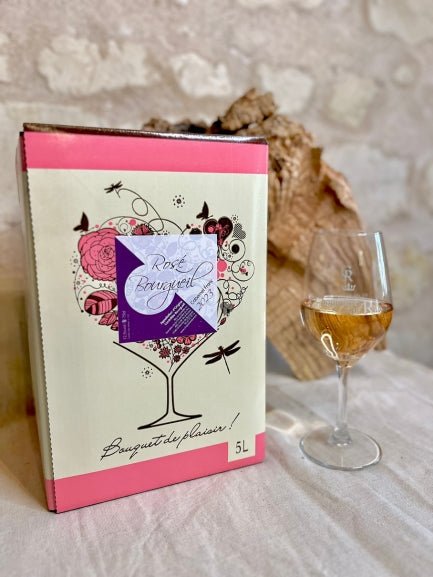
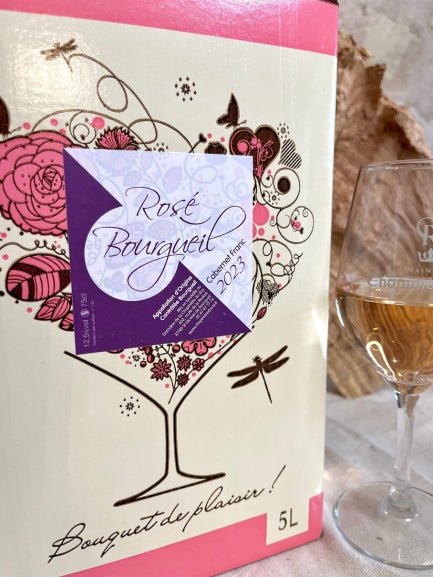
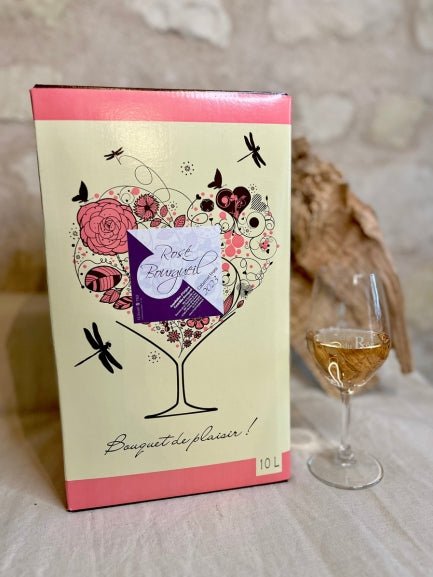
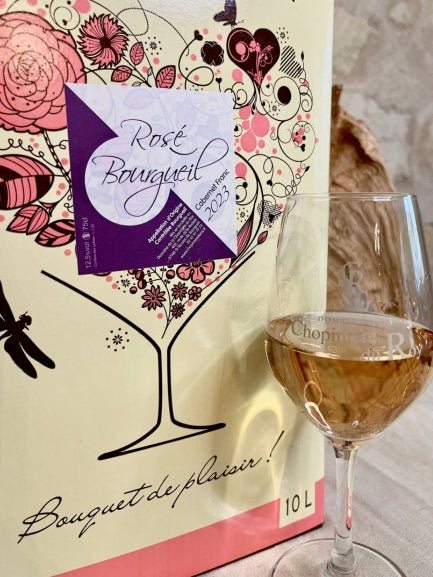
Produced on the sunny hillsides of the Loire Valley, this dry and fruity Bourgueil Rosé wine offers aromas of exotic fruits and citrus. Made from 100% Cabernet Franc, this wine should be served chilled on sunny days. We recommend serving it as an aperitif, with starters and grilled dishes. We offer this dry and fruity rosé wine in bottles or in bag-in-box formats.

Why buy your Bourgueil wine at La Chopinière du Roy?

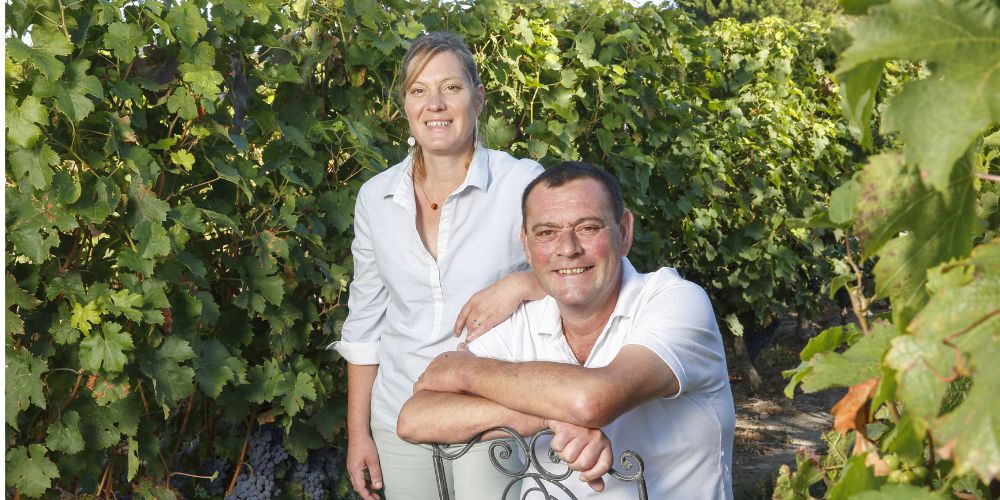
Established in 1850, Domaine de la Chopinière du Roy is a family vineyard certified HVE, spanning 8 generations. Sophie and Christophe ORY, two passionate winemakers, perpetuate the tradition acquired through ancestral vine cultivation. We invite you to discover our winemakers in Saint Nicolas de Bourgueil or to take a tour of our cellar & vineyard in the Loire Valley. You can also come and discover the estate during our open days; if you have any questions about your visit, contact us.

Vignerons Saint Nicolas de Bourgueil Sophie Ory et Christophe ORY

Frequently Asked Questions (FAQ) about Bourgueil Wine

How much does a Bourgueil wine cost?

The price of a Bourgueil wine depends on several factors: the cultivation method, the vintage, the winemaking process, etc. At the Domaine de la Chopinière du Roy, a bottle of Bourgueil costs around €8.

How long before opening a Bourgueil wine?

If you have the time, you can open your bottle of wine 1 or 2 hours before tasting. Also, please note that if you don't have time, this is not mandatory and will not prevent you from enjoying your bottle of Bourgueil wine!

Which region does Bourgueil wine come from?

Bourgueil is a small commune located between Angers and Tours. Adjacent to Saint Nicolas de Bourgueil, within the Loire Valley, Bourgueil is situated in the department of Indre-et-Loire (37).

How to choose your Bourgueil wine and what to pair it with?

We previously prepared our list for choosing the best Bourgueil with its dish. Here are the best food and Bourgueil wine pairings to remember:

  • Regional charcuterie: Tours rillettes, dry sausage, and pâté en croûte.
  • Braised red meats: beef bourguignon and beef cheek braised in red wine.
  • Grilled fish: trout or sea bream with roasted vegetables.
  • The famous "tarte vigneronne," an emblematic dessert of the region.

What type of wine is Bourgueil?

Bourgueil wine is mainly a red wine, sometimes rosé. Located in the heart of the Loire Valley, it is recognizable by its deep ruby color, red fruit aromas, and fine tannins combined with controlled acidity.

What wine pairs with a tarte vigneronne?

We recommend a slightly fruity vintage, such as Bourgueil wine or Saint Nicolas de Bourgueil wine, to enhance the flavors of this iconic regional tart.

What meat pairs well with a Bourgueil wine?

From our previous list, we have selected for you the best meat and Bourgueil wine pairings to create:

  • Game: venison fillet or jugged hare.
  • Grilled meats: lamb chops or barbecued duck breast.
  • Stewed red meats: beef bourguignon and beef cheek braised in red wine.
  • Dishes in sauce: coq au vin and lamb tagine.
  • Meat couscous.